For organisations · psychology in practice
Psychology for people development, teams and organisations
I help organisations develop their people, strengthen collaboration and create an environment in which employees and teams can thrive.
I combine psychology, practical experience in organisational settings and a research-based approach. I offer workshops, coaching, facilitation, research and evaluation of learning and development activities.
Together, we will find a solution that meets your organisation’s needs.
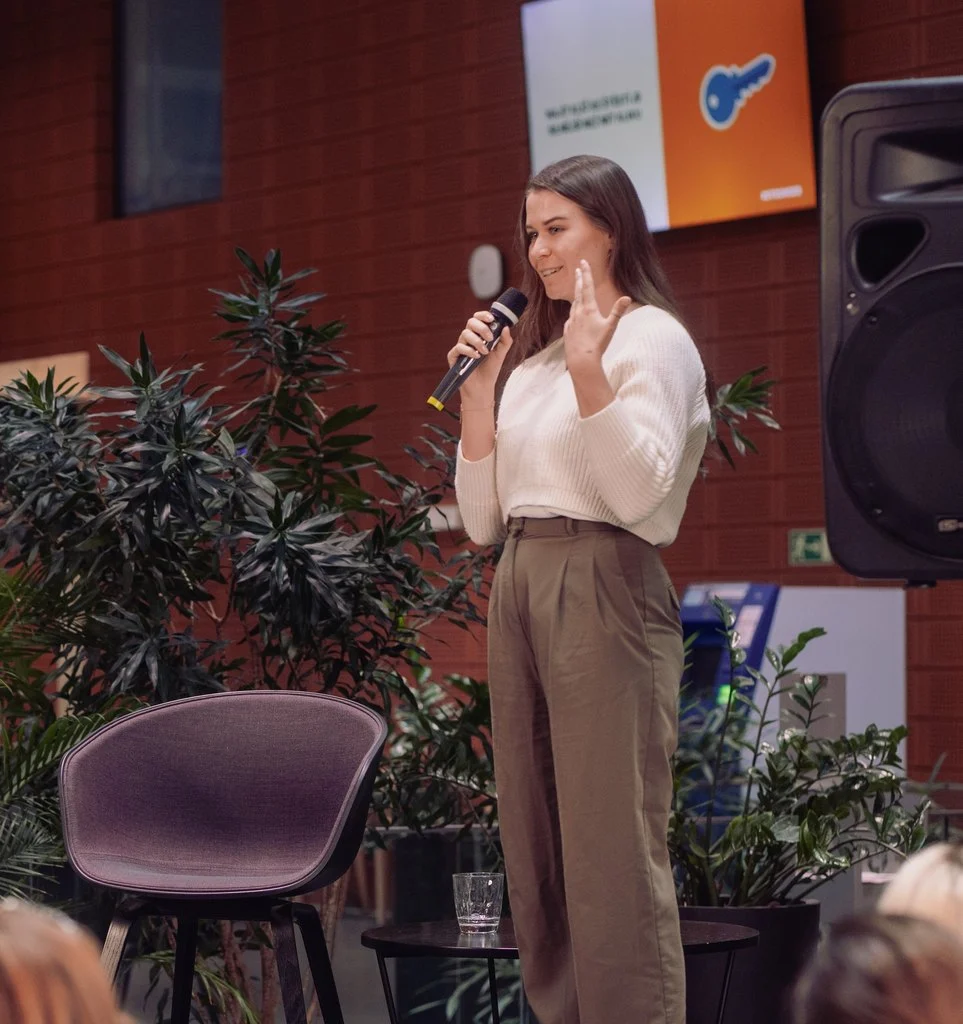
PHOTO 01
Portrait of DenisaClick to try your own photograph
A human approach. Professional expertise.
01 / Ways to work together
What does your organisation need right now?
Workshops and talks
Interactive workshops, talks and learning programmes for employees, managers and entire teams. Choose from existing topics, or we can design a programme tailored to your needs.
Coaching and strengths development
Individual and team development based on the Gallup CliftonStrengths methodology. I help people better understand their natural talents and use them at work, in collaboration and when leading others.
Consulting and problem-solving workshops
Support in defining a specific problem, exploring its causes and developing practical solutions. Together, we can work on team collaboration, management development or the design of learning activities, for example.
Research, evaluation and data
Comprehensive research support for employee learning and development. From defining research questions and designing a methodology to collecting and analysing data, interpreting findings and making practical recommendations.
Facilitation
Neutral facilitation of team meetings, strategic discussions and collaborative problem-solving.
“We have a specific challenge.
Where do we start?”
Together, we will identify what your organisation needs.
Tailored collaboration — from a single meeting to a development programme
Every organisation faces different challenges. Sometimes an existing workshop is the right solution; at other times, we first need to understand the situation, involve managers and the team, and plan the next steps together.
We can therefore tailor our work to your needs, your target group and the time available.
Together, we can create, for example:
- A development programme for managers or employees
- A series of connected workshops
- A talk at a company event
- A problem-solving workshop focused on a specific issue
- Research or evaluation of a learning programme
02 / Workshops and learning
From psychology to practical change
I offer four-hour interactive workshops that combine the latest psychological insights with practical exercises. Each topic can be adapted to the target group, your organisation’s situation and the outcomes you want to achieve.
From “that makes sense”
to “I’ll try this differently”.
1
Collaboration without unnecessary misunderstandings
Assertive communication and healthy boundaries in teams
Who it’s for: Employees and teams who want to improve communication, prevent misunderstandings and build healthy working relationships.
About the workshop
How can we communicate our needs openly, navigate difficult conversations and set healthy boundaries while maintaining our relationships with others? This workshop focuses on practical principles of assertive communication, respecting others’ needs and expressing our own expectations clearly. Participants practise using I-statements, responding constructively in difficult situations and saying “no” without unnecessary guilt.
What participants will take away
- Recognise and clearly express their own needs and boundaries.
- Learn to use assertive communication and I-statements in workplace situations.
- Strengthen their ability to respect colleagues’ different needs and perspectives.
- Gain practical approaches to misunderstandings and difficult conversations.
2
Performance with purpose
How to work effectively and sustainably over the long term
Who it’s for: Employees and teams who want to manage work demands more effectively, make good use of their resources and achieve results without unnecessary overload.
About the workshop
How can we perform well without constantly operating at the limits of our capacity? This workshop connects the psychology of work performance with practical strategies for everyday work. It focuses on identifying job demands and available resources, prioritising effectively, planning and finding meaning in work. Participants explore how to adapt their working practices to their strengths, values and expertise to support satisfaction, motivation and engagement.
What participants will take away
- Identify their own job demands, resources and barriers to effective working.
- Develop practical strategies for prioritising, planning and addressing workplace problems.
- Identify ways to adapt work to their own needs and strengths.
- Find concrete ways to make work more meaningful and support sustainable performance.
3
The art of switching off
Work–life balance as a foundation for energy and lasting performance
Who it’s for: Employees and teams facing high work demands who want to recover more effectively, prevent overload and maintain their energy outside work.
About the workshop
Rest is not a reward for finishing work, but an essential condition for functioning well over the long term. This workshop explores how work and personal life influence each other, and why regular recovery matters for motivation, concentration and burnout prevention. Participants learn about different forms of mental and physical recovery and explore how to deliberately make rest part of their normal week, even with a busy schedule.
What participants will take away
- Understand the connections between workload, recovery and long-term performance.
- Identify their own barriers to rest and the factors that help restore energy.
- Explore different approaches to recovery and their use in everyday life.
- Create a realistic plan for regular rest that fits individual needs and circumstances.
4
Emotions under control?
Managing stress, frustration and challenging situations
Who it’s for: Employees and teams dealing with pressure, high expectations, change or difficult interpersonal situations.
About the workshop
Stress, frustration and unpleasant emotions are a natural part of working life. We do not need to suppress them or let them control us — we can learn to work with them. This experiential workshop combines an understanding of emotions with practical training in strategies for challenging situations. Participants explore what happens to them under pressure, how their reactions influence behaviour and communication, and how to create space for more conscious decisions in emotionally charged moments.
What participants will take away
- Recognise their own stress responses, emotions and triggers.
- Understand how emotions influence thinking, decision-making and behaviour.
- Try concrete techniques for managing stress, frustration and emotional tension.
- Distinguish situations they can actively resolve from those where working with their own response is more helpful.
- Take away a personal toolkit of strategies for challenging workplace situations.
5
A manager who develops people
Supporting people’s potential, motivation and sustainable performance
Who it’s for: Leaders and managers who want to develop their people, strengthen their independence and support a healthy, high-performing workplace.
About the workshop
A manager’s role goes beyond assigning tasks and monitoring results. Leadership also involves creating conditions in which people can develop their potential, take responsibility and find their own motivation. This workshop focuses on practical management skills, particularly giving feedback, holding development conversations and supporting autonomy and proactivity. Participants learn to respond more effectively to individual team members’ needs and balance results with people’s long-term well-being.
What participants will take away
- Give feedback that supports learning, development and ownership.
- Hold conversations focused on employees’ motivation, needs and further development.
- Support autonomy, proactivity and engagement within the team.
- Recognise individual sources of motivation and development potential.
- Gain concrete approaches to supporting team performance, satisfaction and sustainable functioning.
Further workshop and talk topics
In addition to these topics, I can design learning activities tailored to your organisation’s needs. Depending on the subject and target group, these can take the form of a talk, an interactive workshop or a longer development programme.
Psychological safety and trust in teams
Feedback and difficult conversations
Change, uncertainty and adapting to new conditions
Perfectionism, high expectations and learning from mistakes
Well-being, engagement and satisfaction
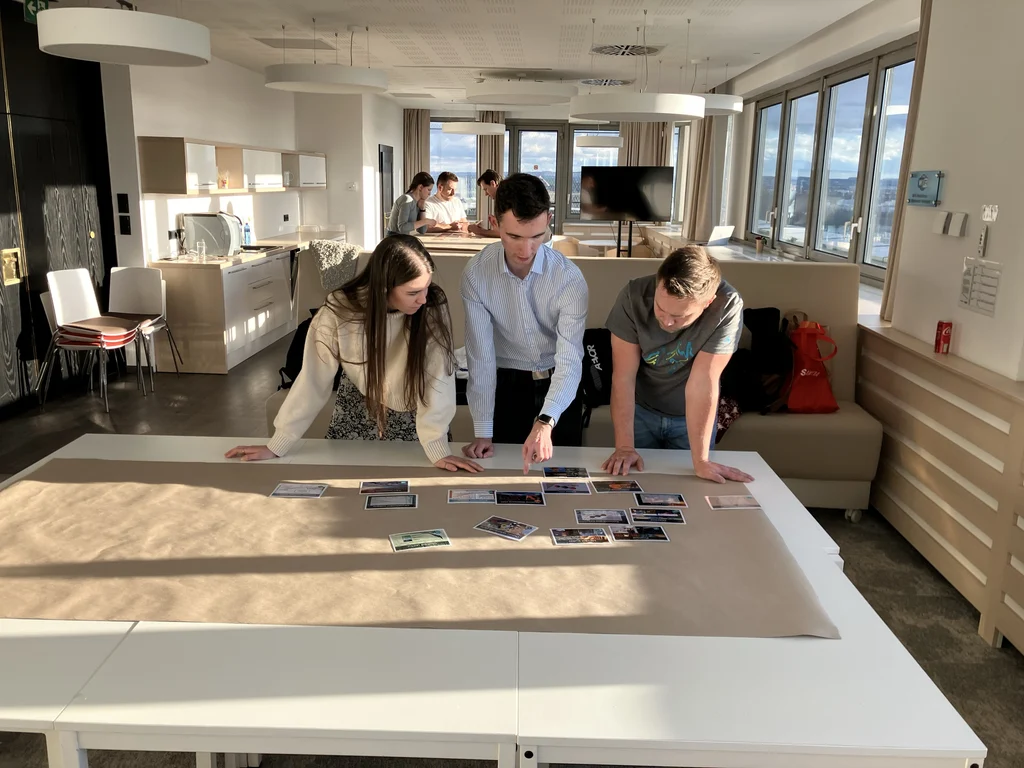
PHOTO 02
Workshop / team discussionClick to try your own photograph
Space for fresh perspectives.
Practical and collaborative
Space to pause,
see things differently
and leave with concrete next steps.
Your topics
Active participation
Putting learning into practice
03 / Talents in practice
Strengths.
Three paths to development.
It’s not just about knowing your talents.
It’s about putting them to use.
Strengths are more than a list of things we do well. When developed intentionally, they become a practical tool for personal growth, collaboration and leadership.
I use the Gallup CliftonStrengths methodology to identify natural talents and explore ways to develop and apply them intentionally in the workplace.
PATH 1
Individual
Discover your talents. Use them intentionally.
Individual CliftonStrengths interpretation
An individual consultation focused on understanding your assessment results and connecting them to workplace situations, goals and personal development.
An interpretation of your dominant talents, their possible applications and recommendations for further development.
Coaching package: Developing your strengths
Five connected coaching sessions focused on turning insight into your talents into concrete changes in your working and personal life.
A personal development plan and concrete steps for using your strengths in everyday practice.
PATH 2
Team
Understanding differences. Better collaboration.
Team strengths workshop
A four-hour workshop that helps team members understand their own and their colleagues’ talents, and use their differences to achieve shared goals.
A shared language for discussing strengths, an understanding of what the team does well, and practical ideas for working together.
PATH 3
Leadership
Leading people through their strengths.
Strengths-Based Leadership
A workshop for managers on leading through people’s strengths: recognise talents within the team, create opportunities to use them, and support the development of individuals and the team as a whole.
Practical principles of strengths-based leadership and a plan for applying them in management practice.
04 / Research and evaluation
Decision-making
informed by data.
I help organisations obtain reliable evidence to inform decisions about employee development, learning programmes and how teams work.
Research can help identify real needs, assess the effectiveness of development activities or understand the factors influencing the work environment.
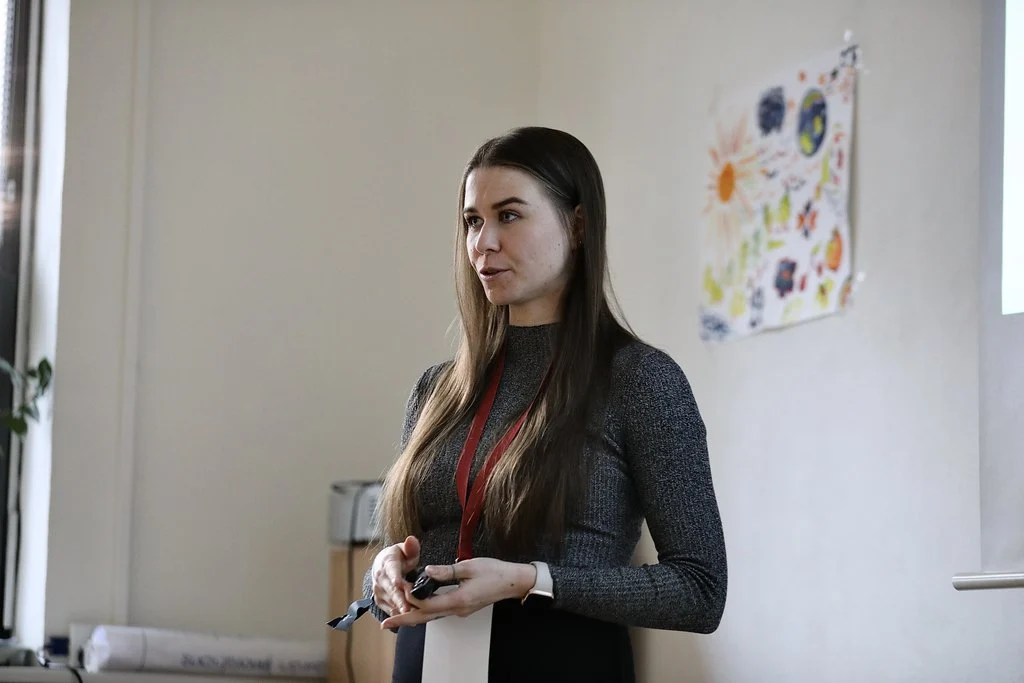
PHOTO 03
Data analysis / consultationClick to try your own photograph
From insight to concrete action.
1
Identifying needs and defining the brief
Together, we define the problem, research objectives and questions you need answered.
2
Research design and methodology
I design the study and select a qualitative, quantitative or mixed-methods approach suited to the brief.
3
Data collection
Depending on the project, methods may include surveys, interviews, focus groups or other suitable approaches.
4
Analysis and interpretation
I analyse the data, assess relevant patterns and place the findings in the context of your organisation’s needs.
5
Recommendations and presentation of findings
I present the key findings and their practical implications. Deliverables may include an analytical report, a presentation for management or recommendations for further development activities.
Typical areas of collaboration
- Analysis of learning and development needs.
- Evaluation of training, workshops and development programmes.
- Measuring satisfaction, engagement and workplace well-being.
- Research into team collaboration and the work environment.
- Identifying employees’ and managers’ needs.
- Designing questionnaires, interview guides and evaluation tools.
- Synthesising findings and recommendations for HR strategy and L&D.
The scope can be tailored to your brief — from a one-off methodology consultation to a complete research project.
05 / Let’s get started
Let’s explore
how we can work together.
Do you have a specific brief, need a facilitator for corporate learning, or want to clarify what would help your organisation first?
Send me a few details about your needs. I will get in touch so we can discuss a suitable next step.
You don’t need a finished brief.
We can start with a conversation.